
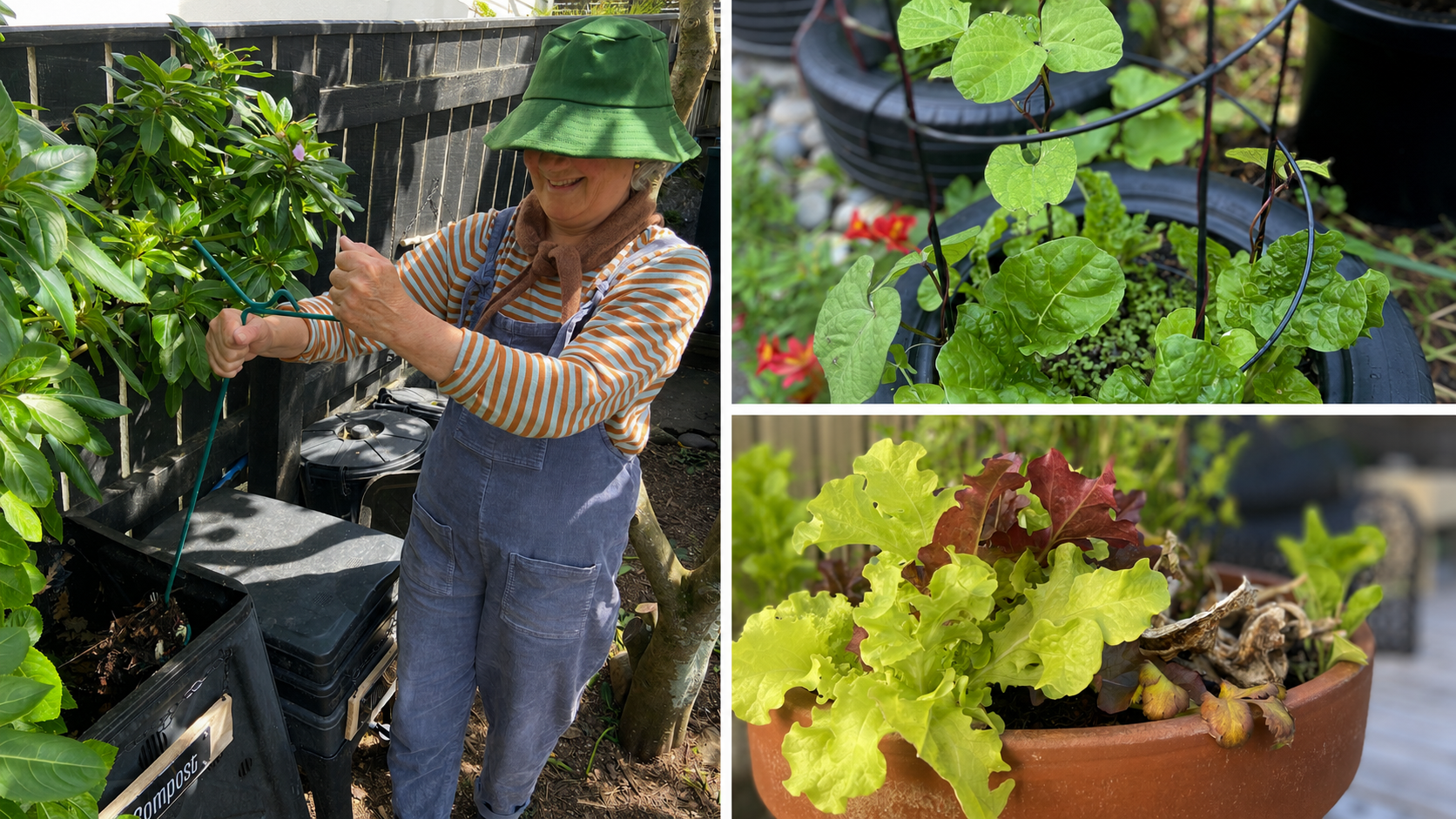
About Seed to Sea
A working urban demonstration garden on Wellington’s South Coast, shaped by permaculture, community and care for place.
At 38 The Parade in Island Bay, Seed to Sea shows how an ordinary residential section can become a productive living system—growing nourishing food, building healthy soil, turning local resources into fertility and creating opportunities for sharing.
My whakapapa to Te Ātiawa is part of the garden’s story, shaping a strong sense of care for place and community.
An ordinary urban section, reimagined
Many urban properties have the potential to support more food, healthier soil, wildlife and community connection.
Seed to Sea demonstrates how that potential can be developed gradually, using the land, materials and resources already available.
-
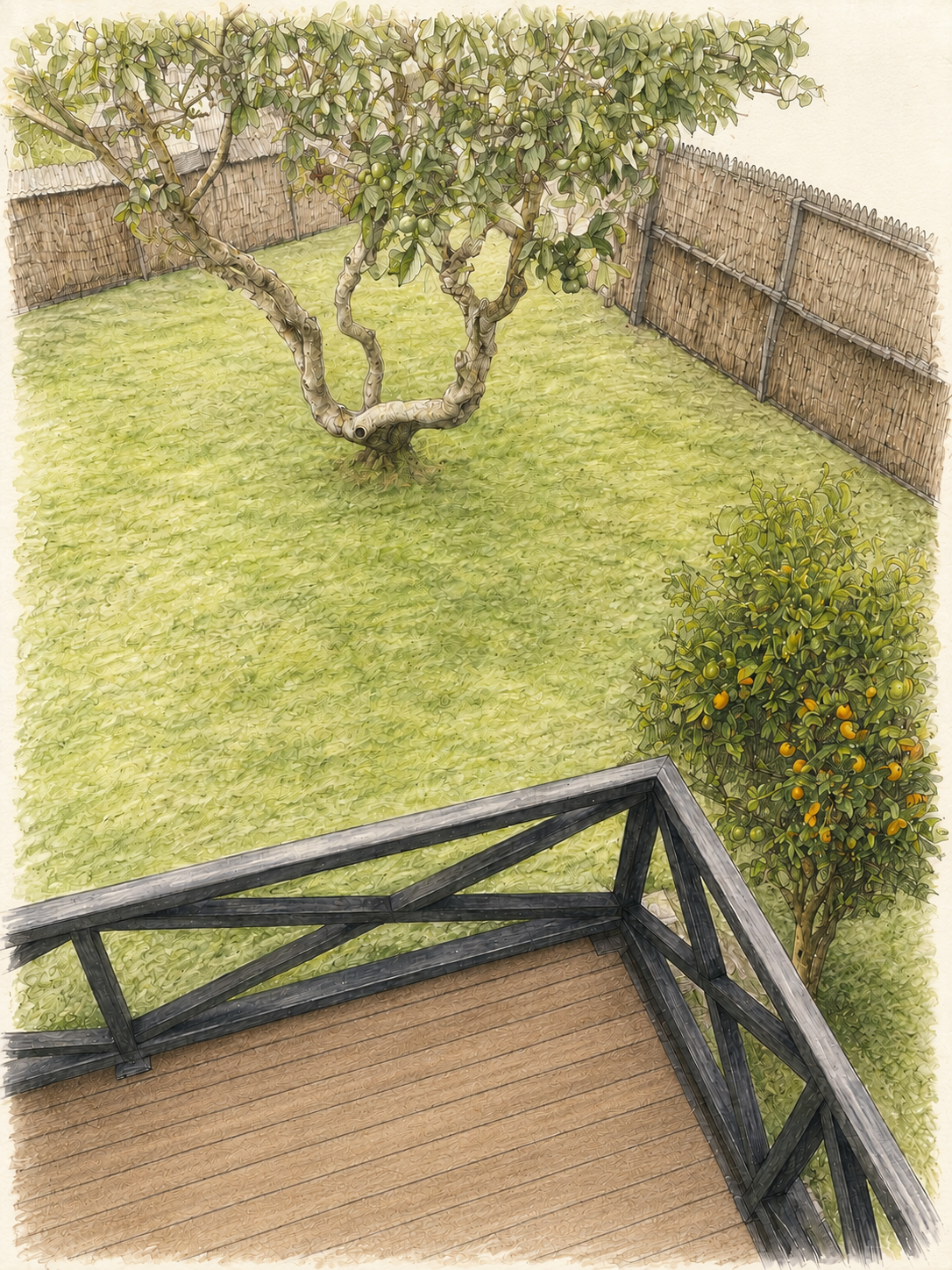
2020 — The starting point
An illustrative reconstruction of the mostly grassed section, with the established walnut and orange trees.
-
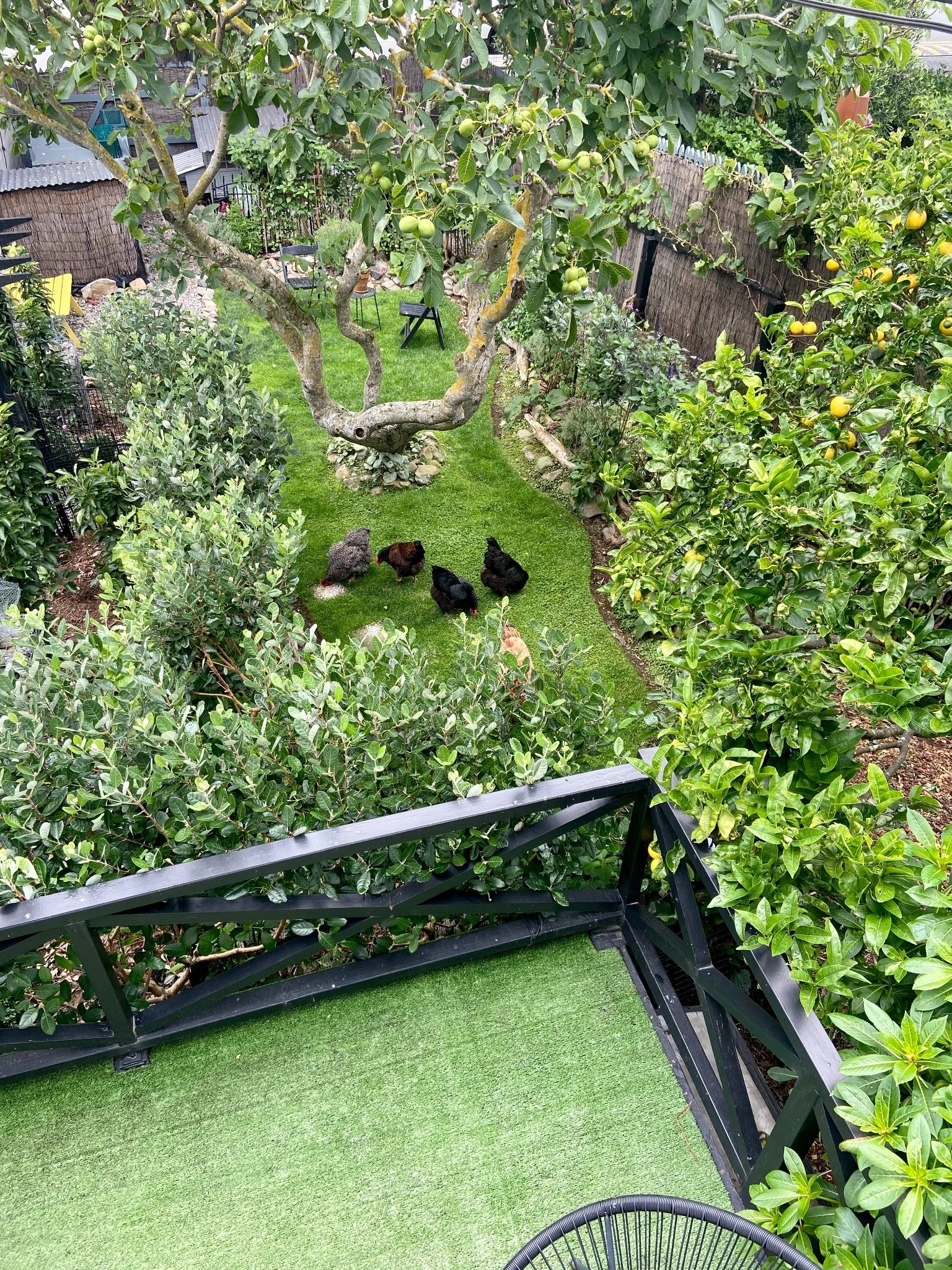
Today — A productive living system
The same section now supports layered planting, productive fruit trees, chickens and spaces for sharing.
The aim is not to create one perfect garden, but to offer practical ideas that people can adapt to their own homes and neighbourhoods.
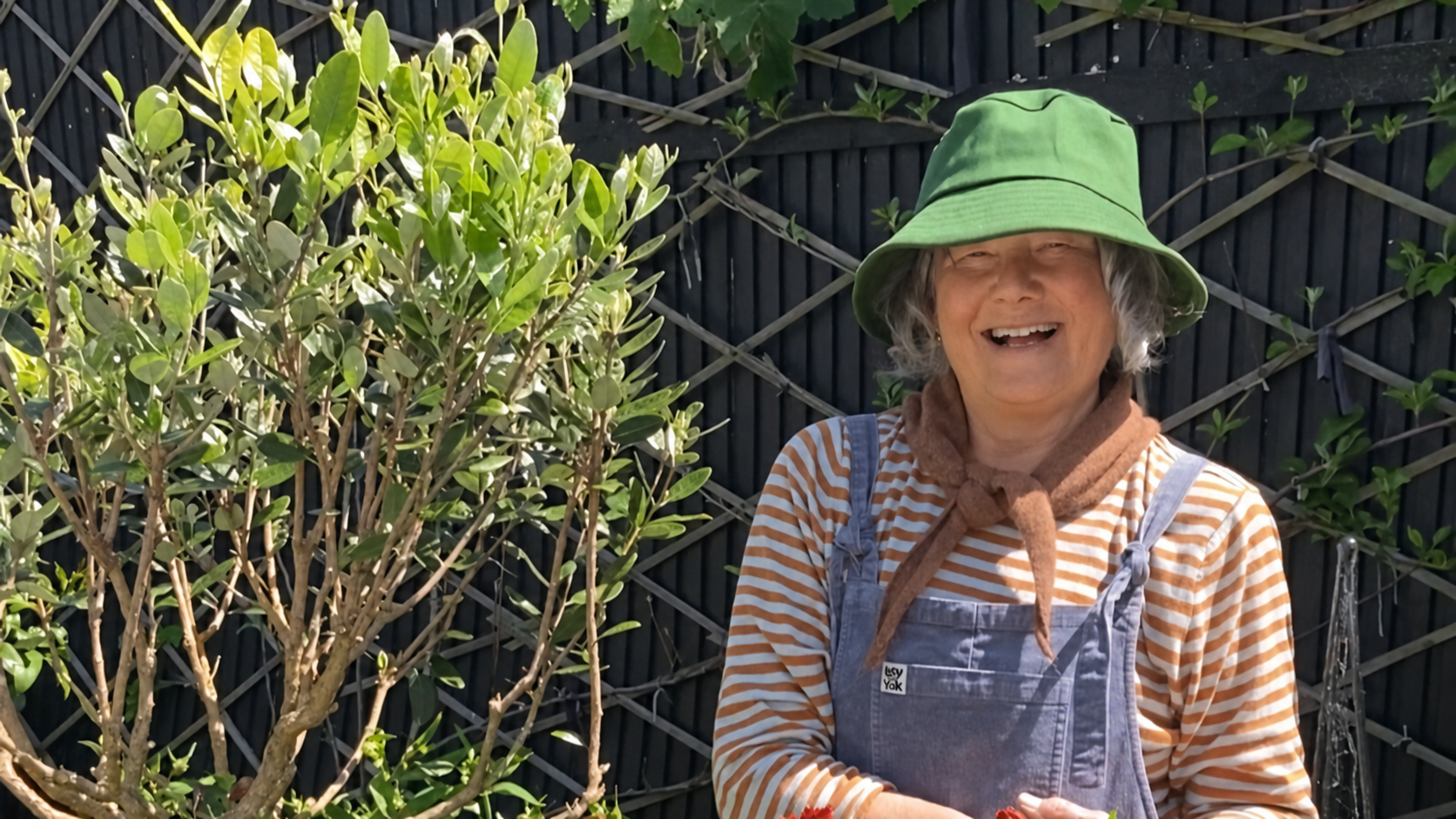
My story
My interest in garden design and organic food growing led me, in 2020, to begin transforming our mostly grassed Island Bay section using permaculture principles.
Working with the established walnut and orange trees, sandy soil, strong winds and Wellington’s coastal conditions, I gradually developed a layered garden where food growing, soil building, animals and community sharing work together.
Seed to Sea has become more than a home garden. It is a place to explore how urban land can contribute to a stronger local food system—and to share practical ideas that others can adapt at home.

The garden system
The Seed to Sea garden is designed as a living system in which food, soil, water, plants, animals and people support one another.
Seaweed, worm castings, compost, mulch and chicken manure build soil fertility. Rainwater is collected, food scraps return to the garden, and garden-made fertilisers nourish productive plants.
Produce, seedlings, flowers and knowledge are shared beyond the property. Each part has a purpose, and what one part produces becomes a resource for another.
Journal Note
Change often begins by looking closely at what is already around us—the whenua, soil, seasons, water, local resources and the way we live. Permaculture helps us connect these pieces, care for place and find a practical place to begin.
Come and see the model in practice
Visit the demonstration garden or discuss how these ideas could be adapted to your own property.